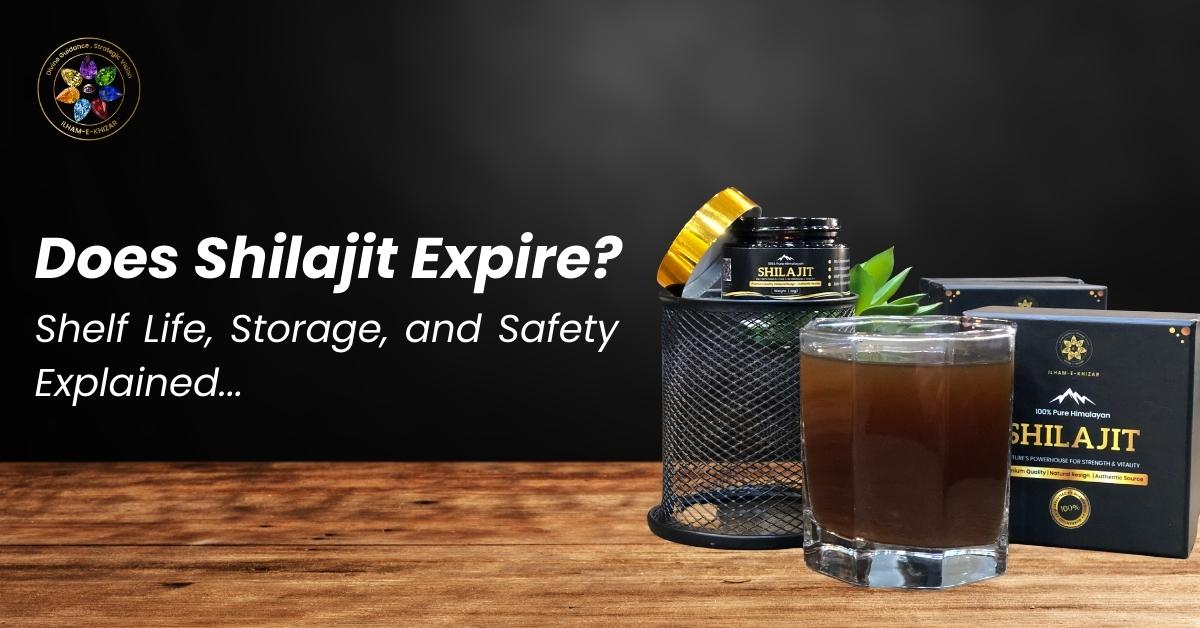
Does Shilajit Expire? Shelf Life, Storage, and Safety Explained
-
January 17, 2026
-
224
Have you ever found an old jar of shilajit tucked away in the back of your cabinet and wondered if it’s still safe to use? You’re not alone. As this ancient Ayurvedic supplement continues to gain popularity for its energy-boosting and rejuvenating properties, understanding its shelf life has become crucial for anyone investing in this powerful natural remedy. The question “does shilajit expire?” isn’t as straightforward as checking a date on the label.
This sticky, mineral-rich resin has unique preservation properties that set it apart from typical supplements. In this comprehensive guide, you’ll discover exactly how long different forms of shilajit last, the proper storage methods to maximize potency, and critical safety information to ensure you’re getting the most from this remarkable substance.
Does Shilajit Expire? The Short Answer
Yes, shilajit does expire, but not in the conventional sense. Pure shilajit doesn’t spoil like food, but its effectiveness and potency can diminish over time, especially when stored improperly.
The shelf life varies significantly depending on the form:
| Shilajit Form | Shelf Life | Best For |
|---|---|---|
| Resin | 3-5 years | Longest lasting, highest potency |
| Powder | 1-2 years | Convenience and measurement |
| Capsules/Tablets | 1-2 years | Easy daily supplementation |
| Liquid Drops | 1-2 years (after opening) | Fast absorption |
Unlike typical food products that develop mold or become unsafe, shilajit primarily loses its therapeutic potency over time. The natural antimicrobial properties of fulvic acid and its dense mineral composition provide inherent preservation, making it remarkably stable when handled correctly.
Understanding Shilajit and Its Composition
What Makes Shilajit Last So Long?
Shilajit is a tar-like, blackish-brown substance that forms over centuries through the decomposition of plant matter in high-altitude mountain regions, primarily the Himalayas. This natural process creates a unique compound with exceptional stability.
Key components that contribute to longevity:
- Fulvic Acid: The primary active compound, known for its antioxidant properties and natural preservation abilities
- Humic Substances: Complex organic molecules that resist degradation
- Minerals: Over 85 trace minerals including magnesium, zinc, iron, and selenium
- Dibenzo-alpha-pyrones: Organic compounds that contribute to shilajit’s stability
These components work synergistically to create natural antimicrobial and antioxidant properties. The low moisture content and high mineral density make shilajit naturally resistant to microbial growth, which is why it can survive for extended periods when stored properly.
Shelf Life by Product Form: How Long Does Each Type Last?
Shilajit Resin: The Long-Lasting Champion
Shelf Life: 3-5 years when stored properly
Shilajit resin is the purest and most traditional form, offering the longest shelf life of all varieties. Its thick, sticky consistency and minimal processing preserve its natural composition and protective properties.
Why it lasts longest:
- Least processed form retains natural preservatives
- Dense consistency minimizes air exposure
- High concentration of fulvic acid provides natural antimicrobial protection
- Low moisture content prevents bacterial growth
Storage requirements:
- Airtight amber or cobalt glass container
- Cool, dark location away from direct sunlight
- Room temperature between 60°F and 77°F (15°C to 25°C)
- Away from heat sources and humidity
Signs it’s still good:
- Dark brown to black color remains consistent
- Pliable, sticky texture when warmed slightly
- Earthy, mineral smell (not rancid or foul)
- Dissolves smoothly in warm water
Shilajit Powder: Convenient but Less Stable
Shelf Life: 1-2 years
Powdered shilajit undergoes additional processing that increases surface area exposure to air, moisture, and light. While more convenient for measuring and mixing, this form has a shorter lifespan than resin.
Why it has a shorter shelf life:
- Increased surface area accelerates oxidation
- More susceptible to moisture absorption
- Processing can reduce natural protective compounds
- Easier for air and contaminants to penetrate
Proper storage methods:
- Store in airtight containers with desiccant packets
- Keep in a cool, dry pantry or cupboard
- Use opaque or dark-colored containers
- Avoid bathroom storage due to humidity
When to replace:
- Noticeable clumping or caking appears
- Color becomes dull or changes significantly
- Powder develops musty or off odors
- Past manufacturer’s date by 6+ months
Shilajit Capsules and Tablets: Portability with Trade-offs
Shelf Life: 1-2 years
Capsules and tablets offer maximum convenience for daily supplementation but typically have the shortest shelf life among dry forms. The encapsulation process and added ingredients can affect longevity.
Key considerations:
- Added fillers and binders may reduce shelf life
- Gelatin or vegetable capsules can degrade over time
- More processing means fewer natural preservatives
- Bottle opening exposes remaining capsules to air repeatedly
Specific storage needs:
- Keep bottles tightly sealed between uses
- Store with original desiccant packets
- Maintain consistent, cool temperatures
- Transfer to smaller containers to minimize air exposure as you use them
Shilajit Liquid Drops: Fast Acting but Short-Lived
Shelf Life: 1-2 years after opening
Liquid shilajit formulations, including tinctures and drops, generally have the shortest shelf life once opened. The liquid medium can accelerate degradation despite added preservatives.
Why the shortest shelf life:
- Liquid base increases susceptibility to contamination
- Repeated opening introduces bacteria and air
- May require refrigeration after opening
- Water content promotes microbial growth
Refrigeration requirements:
- Check manufacturer’s recommendations
- If refrigeration is needed, allow to reach room temperature before opening to prevent condensation
- Store away from strong-smelling foods
- Keep dropper clean and dry
Factors That Affect Shilajit’s Shelf Life
Understanding what impacts shilajit’s longevity helps you maximize your investment and ensure optimal potency.
Quality and Purity: The Foundation of Longevity
Higher purity shilajit lasts longer because it contains fewer contaminants and more of the natural preservative compounds. Authentic Himalayan shilajit, sourced from pristine mountain regions, typically has superior mineral content and natural preservative properties compared to products from other regions.
Quality indicators:
- Third-party testing certifications (NSF Certified Sport, Informed Sport, USP, BSCG)
- Certificate of Analysis (COA) showing heavy metal testing
- Clear sourcing information
- Reputable brand with transparency about processing methods
Processing Method: Raw vs. Refined
The way shilajit is processed dramatically affects its shelf life. Raw, minimally processed shilajit retains more of its natural protective compounds, while heavily processed forms may have reduced longevity.
Processing impact:
- Raw shilajit: Filtered to remove debris but maintains natural composition (longest shelf life)
- Purified resin: Cleaned and concentrated while preserving key compounds (excellent shelf life)
- Extracted powder: Dehydrated and processed into powder form (moderate shelf life)
- Formulated supplements: Combined with other ingredients and fillers (shortest shelf life)
Storage Conditions: Temperature, Light, and Moisture
Environmental factors are perhaps the most critical determinants of how long your shilajit remains potent.
Temperature effects:
- Optimal range: 60°F to 77°F (15°C to 25°C)
- High heat above 77°F (25°C) degrades fulvic acid and active compounds
- Extreme cold makes resin rock-hard and can cause condensation
- Temperature fluctuations accelerate degradation
Light exposure:
- Direct sunlight triggers photochemical reactions that diminish potency
- UV rays break down beneficial compounds
- Amber or cobalt glass containers provide protection
- Store in dark cabinets or drawers
Moisture concerns:
- Humidity promotes mold and bacterial growth
- Moisture can alter texture (making resin too sticky or causing powder to clump)
- Creates environment for contamination
- Bathrooms and kitchens near sinks are poor storage locations
Packaging: Airtight vs. Regular Containers
The container protecting your shilajit significantly impacts its shelf life.
Ideal packaging:
- Glass containers: Non-reactive, doesn’t leach chemicals, provides excellent barrier
- Amber or cobalt glass: Blocks damaging light wavelengths
- Airtight seals: Prevents oxidation and moisture entry
- Food-grade materials: Ensures no contamination from container itself
Avoid:
- Clear plastic containers (can leach chemicals and allow light)
- Containers with loose-fitting lids
- Metal containers (may react with minerals in shilajit)
- Large containers that leave lots of air space as product is used
Contamination Risks: Handling and Moisture
How you handle shilajit directly affects its longevity and safety.
Common contamination sources:
- Using wet or dirty utensils to scoop resin
- Touching product with unwashed hands
- Leaving container open for extended periods
- Storing near strong-smelling substances (shilajit can absorb odors)
- Cross-contamination from other supplements
Proper Storage Guidelines: How to Store Shilajit for Maximum Shelf Life
Optimal Storage Conditions
Creating the right environment for your shilajit is essential for preserving its therapeutic properties.
Temperature control:
- Maintain steady room temperature between 60-77°F (15-25°C)
- Avoid areas with temperature fluctuations (near stoves, windows, heaters)
- Do not refrigerate unless specifically recommended by manufacturer
- Never freeze (can alter molecular structure and create condensation issues)
Light management:
- Store in dark cabinets or drawers
- Use opaque or dark-colored containers
- Keep away from windows and direct sunlight
- Bedroom dresser drawers or pantry shelves work well
Moisture control:
- Use truly airtight containers with quality seals
- Add food-safe desiccant packets for powder forms
- Avoid humid environments like bathrooms
- Ensure cabinet or storage area is dry and well-ventilated
Container selection:
- Amber or cobalt glass jars are ideal
- Ensure lids create complete, airtight seals
- Some users add parchment paper between lid and container for extra sealing
- Vacuum-sealed containers offer ultimate protection but aren’t necessary for most users
Storage Do’s: Best Practices
Following these guidelines will maximize your shilajit’s shelf life and potency:
Essential practices:
- ✅ Use airtight, dark-colored glass containers
- ✅ Keep away from strong-smelling substances (spices, cleaning products)
- ✅ Divide bulk quantities into smaller portions to minimize repeated air exposure
- ✅ Label containers with purchase or opening date for rotation
- ✅ Use clean, dry utensils every time (wooden or plastic spoons work best)
- ✅ Close container immediately after use
- ✅ Store in consistent environment away from appliances
- ✅ Check periodically for signs of degradation
Storage Don’ts: Common Mistakes to Avoid
Avoiding these mistakes will protect your investment and ensure safety:
What to never do:
- ❌ Don’t expose to direct sunlight or heat sources
- ❌ Avoid humid environments (bathrooms, near dishwashers)
- ❌ Never leave container open for extended periods
- ❌ Don’t store in extreme dryness (desert-like conditions can dry out resin)
- ❌ Avoid using metal utensils (can react with minerals)
- ❌ Don’t dip wet fingers or utensils into container
- ❌ Never store near stoves, ovens, or radiators
- ❌ Don’t keep in cars or areas with temperature swings
Advanced Storage Tips
For those wanting to maximize longevity, especially with bulk purchases:
Freezing considerations (with major caveats):
- Generally NOT recommended for regular storage
- Can make resin extremely hard and brittle
- Risk of condensation when thawing introduces moisture
- Only consider for very long-term storage (years) of unopened containers
- Always allow gradual return to room temperature in sealed container
Vacuum sealing:
- Excellent for long-term preservation
- Prevents all air exposure
- Only practical for powder or capsule forms
- Not necessary for typical 1-3 year storage periods
Secondary container method:
- Store primary container inside larger airtight container
- Add desiccant packet in outer container space
- Provides extra protection against environmental fluctuations
- Useful in humid climates
Portion control strategy:
- If buying bulk, divide immediately into monthly portions
- Keep one portion for current use, store rest sealed
- Minimizes air and moisture exposure to bulk supply
- Especially useful for 6+ month supplies
Signs Your Shilajit Has Expired or Gone Bad
Recognizing degradation early protects your health and prevents wasting money on ineffective supplements.
Visual Changes: What to Look For
For Shilajit Resin:
- ❗ Unusual color changes (whitish or greenish patches indicate mold)
- ❗ Excessive hardening (becomes rock-solid and won’t soften with warmth)
- ❗ Overly liquidy or runny consistency
- ❗ Dull, chalky, or crusty appearance (should be glossy when fresh)
- ❗ Visible spots, particles, or growth
Shilajit Powder:
- ❗ Significant clumping or caking (beyond normal moisture absorption)
- ❗ Color fading or unusual discoloration
- ❗ White or colored spots or patches
- ❗ Foreign particles or contaminants
Capsules/Tablets:
- ❗ Discoloration of capsules or tablets
- ❗ Capsules sticking together
- ❗ Cracking or deterioration of capsule shells
- ❗ Powder visible inside clear bottles (capsules breaking down)
Smell and Taste: Sensory Indicators
Fresh, quality shilajit has a distinctive earthy, mineral aroma. Changes in smell or taste signal degradation.
Normal characteristics:
- Earthy, soil-like scent
- Slightly bitter, mineral taste
- Mild, natural organic smell
Warning signs:
- Foul or rancid odor
- Musty, moldy smell
- Sharp, chemical-like scent
- Significantly changed from original aroma
- Bitter or metallic taste beyond normal range
Texture Changes: Feel and Consistency
Shilajit’s texture provides important clues about its condition.
For Resin:
- Fresh: Pliable and slightly sticky at room temperature, becomes softer when warmed
- Degraded: Rock-hard and won’t respond to gentle warming, or excessively runny and separating
Powder:
- Fresh: Free-flowing, slightly cohesive powder
- Degraded: Hard clumps that don’t break apart easily, excessively caked, or unusually dusty and fine
For Liquids:
- Fresh: Consistent texture, proper flow
- Degraded: Separation that won’t remix, sediment formation, excessive thickness or thinning
Performance Indicators: Efficacy Tests
Beyond appearance, functional tests reveal quality:
Dissolving test:
- Fresh shilajit should dissolve completely in warm water (not hot)
- Should create a golden-brown to dark brown solution
- No significant residue or floating particles
- If it doesn’t dissolve properly or leaves excessive sediment, it may be degraded
Effectiveness evaluation:
- Noticeable reduction in expected benefits
- Lacks usual energy or cognitive enhancement
- No longer provides familiar effects
- Requires higher doses for same results
Safety Concerns with Expired Shilajit
Understanding potential risks helps you make informed decisions about using older shilajit products.
Potential Health Risks
While expired shilajit rarely causes severe illness, several concerns exist:
Loss of therapeutic properties:
- Diminished fulvic acid content reduces bioavailability
- Decreased mineral potency affects supplementation benefits
- Oxidized compounds provide fewer antioxidant benefits
- May not deliver intended energy or cognitive support
Contamination risks:
- Improperly stored shilajit can develop mold or bacteria
- Moisture exposure increases microbial growth potential
- Contaminated products may trigger allergic reactions
- Digestive discomfort possible from degraded compounds
Heavy metal concerns:
- Degraded shilajit may have altered heavy metal binding properties
- Unpurified or low-quality products already contain concerning metal levels
- Breakdown of protective compounds could affect metal bioavailability
- Always choose third-party tested products regardless of age
Digestive issues:
- Expired product may cause stomach upset
- Nausea or discomfort possible with degraded supplements
- Changes in effectiveness can affect digestion
- Contaminated products pose greater GI risks
Who Should Be Extra Cautious
Certain groups should be particularly careful about shilajit quality and expiration:
Pregnant and breastfeeding women:
- Insufficient safety data for this population
- Heavy metal content is particular concern
- Consult healthcare provider before use
- Use only freshest, highest quality products if approved by doctor
People with hormone-sensitive conditions:
- Shilajit may affect hormone levels
- Degraded product has unknown hormonal effects
- Those with thyroid conditions should exercise caution
- Always consult endocrinologist before starting
Those on medications:
- Diabetes medications: Shilajit may lower blood sugar
- Blood pressure medications: Potential interaction risks
- Blood thinners: May affect clotting
- Expired product has unpredictable interaction potential
Individuals with specific conditions:
- Gout: High mineral content may affect uric acid levels
- Hemochromatosis (iron overload): Shilajit contains iron
- Active autoimmune conditions: Consult specialist first
- Kidney disease: Mineral content requires medical guidance
When to Discard Without Question
Some situations demand immediate disposal:
Absolute discard criteria:
- 🚨 Any visible mold or fungal growth
- 🚨 Strong foul or rancid smell
- 🚨 Dramatic texture changes (completely liquified or rock-solid)
- 🚨 Contamination from improper storage (bugs, foreign matter)
- 🚨 Past manufacturer expiration by 6+ months for processed forms
- 🚨 Past expiration by 1+ year for any form
- 🚨 Stored improperly for extended period (humid, hot environment)
- 🚨 Unknown age or storage history
When in doubt, throw it out. The cost of replacement is far less than potential health consequences.
How to Extend Shilajit’s Lifespan
Maximize your investment with these proven longevity strategies.
Buy Smart from the Start
Source selection:
- Purchase from reputable, established brands with transparent sourcing
- Verify third-party testing certifications (NSF, Informed Sport, USP, BSCG)
- Request and review Certificate of Analysis for heavy metals
- Choose Himalayan or Altai Mountain sources when possible
Quality verification:
- Look for purified shilajit with debris and impurities removed
- Check fulvic acid content (should be 50%+ for quality extracts)
- Ensure proper packaging in dark glass with airtight seals
- Read recent customer reviews about product freshness
Freshness factors:
- Check manufacturing date, not just expiration date
- Calculate age: purchase products manufactured within past 6-12 months
- Avoid deeply discounted products that may be old stock
- Smaller reputable suppliers often have fresher inventory
Purchase Appropriate Quantities
Right-sizing your purchase:
- Calculate 3-4 month supply for most users (typical dose: 300-500mg daily)
- Consider your commitment level to avoid waste
- Factor in shelf life by form when buying bulk
- For resin: can safely purchase 6-12 month supply
- For powder/capsules: limit to 3-6 month supply
Bulk buying considerations:
- Only buy bulk from brands with confirmed manufacturing dates
- Ensure you can properly divide and store portions
- Calculate cost savings vs. freshness trade-off
- Consider sharing with family/friends to use before expiration
Proper Transfer and Handling
Initial container setup:
- Transfer to appropriate storage container immediately upon purchase if needed
- Clean and completely dry all storage containers before use
- Label with product name, manufacturer, purchase date, and expiration date
- Set calendar reminders to check quality every 3-6 months
Daily usage protocol:
- Always use clean, dry utensils (wooden or plastic spoons ideal)
- Scoop what you need and immediately close container
- Never return used portion to container
- Wipe container rim clean before closing to ensure proper seal
Contamination prevention:
- Wash hands before handling or use utensils only
- Don’t touch resin directly with fingers
- Keep measuring spoon in separate dry container
- Never introduce moisture of any kind to product
Monitor and Maintain
Regular quality checks:
- Inspect monthly for visual, smell, or texture changes
- Test dissolving ability every 2-3 months
- Note any changes in personal effectiveness
- Track storage conditions (especially during seasonal changes)
Environmental adjustments:
- Move product if you notice temperature or humidity changes in storage area
- Adjust for seasonal weather (summer heat, winter heating, spring humidity)
- Consider dehumidifier in storage area if you live in humid climate
- Use air conditioning during hot months to maintain consistent temperatures
Buying Tips for Maximum Freshness
Choosing Products with Best Shelf Life
Form selection based on usage:
- Choose resin if: You use shilajit regularly, want longest shelf life, don’t mind measuring
- Choose powder if: You prefer mixing in beverages, want easier measurement, will use within 1-2 years
- Choose capsules if: You prioritize convenience, travel frequently, take daily consistently
- Choose liquid if: You want fastest absorption, will finish within months, prefer drops
Packaging evaluation:
- Amber or cobalt glass containers preferred
- Airtight seal is mandatory
- Size appropriate to your consumption rate
- Includes desiccant packet for powder/capsules
Manufacturing and Expiration Dates
Understanding date labels:
- Manufacturing date: When product was produced (most important)
- Best by date: Manufacturer’s conservative estimate of peak potency
- Expiration date: Date after which quality may significantly decline
- Lot number: For tracking and quality control
What to look for:
- Products manufactured within past 6-12 months
- Clear, legible dating information
- Expiration date giving you adequate usage time
- Batch/lot numbers for traceability
Third-Party Testing and Certifications
Essential certifications:
- NSF Certified for Sport: Tests for banned substances and contaminants
- Informed Sport/Informed Choice: Batch testing for athlete safety
- USP Verified: Confirms identity, strength, purity, and quality
- BSCG Certified Drug Free: Third-party testing for contaminants
Certificate of Analysis (COA):
- Should be readily available on company website or upon request
- Tests for heavy metals (lead, cadmium, arsenic, mercury)
- Verifies fulvic acid content
- Confirms absence of microbial contamination
- Shows batch-specific results, not just generic testing
Reading Reviews for Freshness Insights
What customer reviews reveal:
- Recent batches arriving fresh vs. old stock
- Consistency of product quality over time
- Packaging integrity during shipping
- Customer service response to quality concerns
- Actual texture and smell descriptions
Red flags in reviews:
- Multiple complaints about old or expired products
- Reports of quality inconsistency between orders
- Packaging arriving damaged or improperly sealed
- Company unresponsive to quality concerns
- Products arriving near expiration date
Return Policies and Guarantees
Company reliability indicators:
- Clear, customer-friendly return policy
- Quality guarantee or satisfaction guarantee
- Responsive customer service
- Willing to replace or refund quality issues
- Transparent about sourcing and testing
Frequently Asked Questions
Can shilajit last forever if stored perfectly?
No, shilajit cannot last forever, even with perfect storage. While pure shilajit resin can remain stable for 3-5 years and potentially longer under ideal conditions, its therapeutic potency will gradually decline over time. The fulvic acid and other bioactive compounds naturally degrade, albeit slowly. Think of it like premium olive oil – proper storage extends quality but doesn’t prevent eventual deterioration. For maximum benefits, use shilajit within the manufacturer’s recommended timeframe.
How long after the expiration date can I safely use shilajit?
For properly stored shilajit, you may be able to use it for 3-6 months past the expiration date, but expect reduced potency. Resin form has more flexibility than processed forms. However, always perform thorough quality checks first: examine appearance for any mold or unusual discoloration, smell for rancid or foul odors, and test if it dissolves properly in warm water. If anything seems off, discard it. The expiration date is the manufacturer’s guarantee of peak potency, not necessarily a safety cutoff, but proceeding beyond it carries increasing risk of ineffectiveness or degradation.
Does refrigeration extend shilajit’s shelf life?
Refrigeration is generally not recommended for shilajit and may actually cause problems. The cold temperature hardens resin to rock-solid consistency, making it difficult to use, and creates condensation risk when you open the container, introducing moisture that promotes degradation. The exception is in extremely hot, humid climates where room temperature exceeds 77°F (25°C) consistently, or for liquid shilajit products that specifically require refrigeration. For most users, storage in a cool, dark cupboard at stable room temperature (60-77°F) is ideal and won’t reduce shelf life compared to refrigeration.
Can I use shilajit that’s been sitting for 3 years?
It depends on the form and storage conditions. If you have shilajit resin stored properly in an airtight container away from heat and light for 3 years, it may still be effective, though potency will be reduced. Perform quality checks: it should still be dark colored, have an earthy smell, and dissolve in warm water. For powder, capsules, or liquid forms at 3 years, potency is likely significantly diminished, and safety is questionable. When in doubt, the conservative approach is to replace it – fresh shilajit ensures you get the benefits you’re paying for.
What’s the best form of shilajit for long-term storage?
Shilajit resin is unquestionably the best form for long-term storage, lasting 3-5 years when properly maintained. Its dense, minimally processed nature preserves natural protective compounds, while low moisture content resists contamination. Resin stored in airtight amber glass in a cool, dark location maintains potency far longer than powder (1-2 years) or capsules (1-2 years). If you’re buying in bulk, planning long-term use, or want maximum value, choose purified resin from a reputable source with third-party testing.
Does freezing damage shilajit?
Yes, freezing can damage shilajit and is not recommended for regular storage. Extremely cold temperatures make resin brittle and can alter its molecular structure. More problematically, when you remove frozen shilajit and open the container, condensation forms as it warms to room temperature, introducing moisture that promotes contamination and degradation. The only scenario where freezing might be considered is for very long-term storage (multiple years) of an unopened container, but even then, risks often outweigh benefits. Room temperature storage in proper conditions is superior for maintaining quality.
How do I know if my shilajit is still potent?
Test potency through multiple methods: First, perform the dissolving test – fresh, potent shilajit dissolves completely in warm water, creating a golden-brown to dark brown solution without excessive residue. Second, assess your personal response – if you notice significantly reduced energy, cognitive, or other expected benefits, potency has likely declined. Third, examine appearance and smell – potent shilajit maintains consistent dark color, glossy texture (for resin), and earthy aroma. If you’ve tracked your dose and notice you need increasing amounts for the same effect, that signals declining potency.
Can expired shilajit make you sick?
Expired shilajit rarely causes serious illness, but the risks increase with how long it’s been expired and storage conditions. The primary concern is reduced effectiveness rather than toxicity. However, improperly stored expired shilajit that has developed mold, bacterial contamination, or significant degradation can cause digestive discomfort, nausea, or allergic reactions. If shilajit shows visible mold, foul odor, or dramatic texture changes, it should never be consumed as contamination risks are real. People with compromised immune systems, pregnant women, or those on medications should be especially cautious and only use fresh, high-quality products.
Why does my shilajit resin get hard in winter and soft in summer?
This is a normal property of pure shilajit resin and actually indicates authenticity. Shilajit resin is thermosensitive, meaning its consistency changes with temperature. In cold temperatures, the natural moisture content condenses and the resin hardens, sometimes to rock-solid consistency. In warm temperatures, it becomes softer, stickier, and more pliable. This doesn’t mean it has expired or degraded. To use hardened winter resin, place the closed jar in a bowl of warm (not hot) water for 5-10 minutes to soften it naturally. Never use direct heat or microwaves. To manage overly soft summer resin, you can briefly refrigerate it before use, though this isn’t necessary – just scoop carefully.
Should I buy shilajit in bulk to save money?
Buying bulk can save money but requires careful consideration. For shilajit resin from reputable sources with confirmed fresh manufacturing dates, purchasing a 6-12 month supply can be cost-effective if you’ll use it consistently and can store it properly. However, for powder or capsules with shorter 1-2 year shelf life, limit bulk purchases to 3-6 month supplies. The key is honest assessment: Will you actually use it? Can you store it correctly? Is the savings worth potential potency loss? If you’re new to shilajit, start with a smaller amount to ensure you tolerate it well and will continue use. For experienced users with proper storage capacity, bulk resin from quality sources offers good value.
Conclusion: Maximizing Your Shilajit Investment
Understanding whether shilajit expires – and more importantly, how to maximize its shelf life – empowers you to get the most therapeutic value from this remarkable ancient remedy. While shilajit doesn’t spoil like conventional food, its potency and effectiveness diminish over time, especially when storage conditions are suboptimal.
Key takeaways to remember:
- Shilajit does expire, with shelf life varying by form: resin lasts 3-5 years, while powder, capsules, and liquids last 1-2 years
- Proper storage is crucial: Keep in airtight, dark glass containers in cool, dry locations between 60-77°F (15-25°C)
- Quality matters from purchase: Choose third-party tested products from reputable brands with clear manufacturing dates
- Form selection impacts longevity: Resin offers longest shelf life and highest potency, while processed forms trade longevity for convenience
- Watch for warning signs: Discard shilajit showing mold, foul odors, dramatic texture changes, or that won’t dissolve properly
Whether you’re using shilajit for energy enhancement, cognitive support, or general wellness, maintaining its potency through proper storage ensures you receive the full benefits of this powerful supplement. Prioritize quality over quantity, invest in proper storage containers, and handle your shilajit with care to maximize both its shelf life and therapeutic effectiveness.
Before starting any new supplement regimen, including shilajit, consult with a healthcare provider, especially if you have existing health conditions, take medications, or are pregnant or breastfeeding. When in doubt about product quality or safety, err on the side of caution and choose fresh, properly tested shilajit from reputable sources.
Your health and wellness deserve nothing less than the highest quality supplements – and now you have the knowledge to ensure your shilajit delivers maximum benefits for as long as possible. Explore Ilham-e-Khizar to buy premium, genuine shilajit now.
Related posts
Shilajit Price in Pakistan – A Comprehensive Guide on Price and Quality
Shilajit, a precious resin from the Himalayan mountains, has become increasingly popular in Pakistan
Shilajit Pakistan: The Comprehensive Guide to Pure Himalayan Shilajit
If you’re looking for authentic Himalayan Shilajit in Pakistan, you’ve come to the right
Shilajit Benefits for Male Fertility: Does It Actually Work?
Today, many men are finding that they have trouble with fertility, including low sperm counts and hormonal
Top 6 Shilajit Benefits for Male Energy, Strength, and Performance
In today’s hectic world, many men experience fatigue, reduced strength, and don’t perform

Leave a comment