No products in the cart.
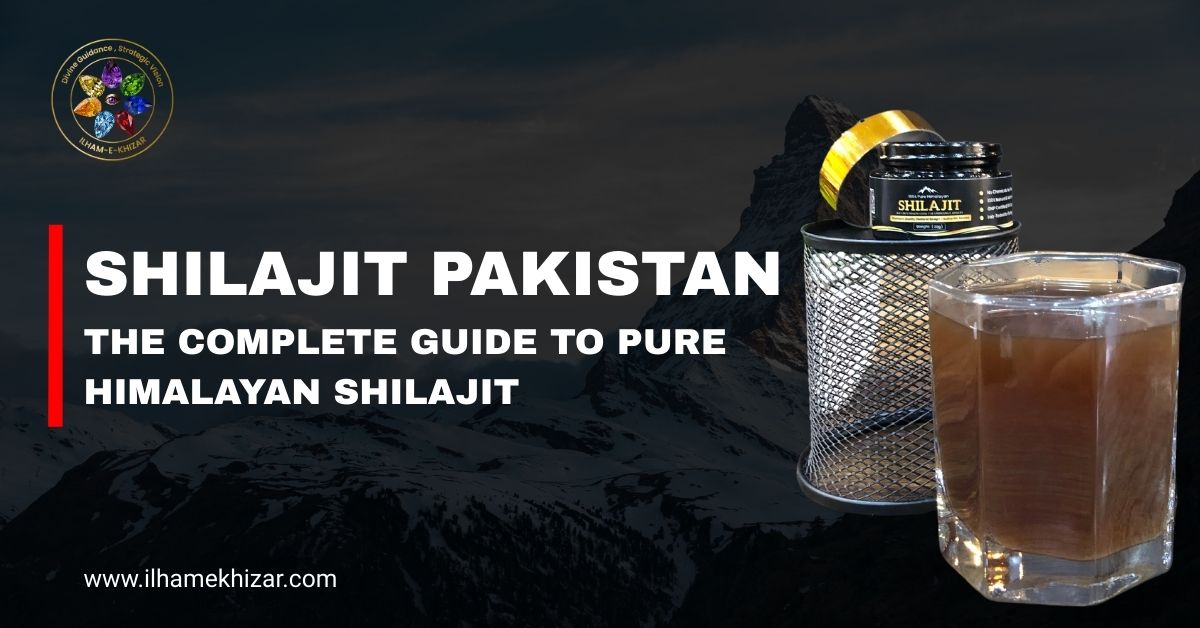

If you’re looking for authentic Himalayan Shilajit in Pakistan, you’ve come to the right place. Known locally as سلاجیت (Salajeet), this powerful natural substance has been treasured for centuries in traditional medicine and is now gaining global recognition for its remarkable health benefits. In this comprehensive guide, we’ll explore everything you need to know about Shilajit in Pakistan, from its pristine mountain origins to how you can incorporate it into your daily wellness routine.
Shilajit is a sticky, tar-like resin that oozes from the cracks of high-altitude mountain rocks, particularly in the Himalayan and Karakoram ranges. This blackish-brown substance is formed over centuries through the gradual decomposition of plant matter, herbs, and minerals compressed under tremendous geological pressure.
What makes Shilajit extraordinary is its rich composition. It contains over 85 trace minerals in their ionic form, along with fulvic acid (60-80%), humic acid, and numerous bioactive compounds. Recent research highlights its potential as a dietary supplement that may help restore energetic balance and potentially prevent several diseases.
The formation process takes hundreds of years. As ancient plants and organic materials break down in the oxygen-deprived environment of rocky mountain crevices, they transform into this mineral-rich resin. When temperatures rise during summer months, Shilajit seeps out from between the rocks, ready to be harvested by skilled collectors.
In traditional Ayurvedic medicine, Shilajit is classified as a “rasayana” – a rejuvenating compound believed to promote longevity and vitality. In Pakistan and northern India, children often consume it with milk during breakfast, and the Sherpas attribute their remarkable strength and healthy longevity partly to including Shilajit in their diet.
Pakistan is blessed with some of the world’s finest Shilajit sources, located primarily in the northern regions of Gilgit Baltistan. This mountainous territory, home to five of the world’s eight-thousanders (peaks over 8,000 meters), provides the perfect conditions for high-quality Shilajit formation.
The pristine environment, extreme altitude, and unique geological composition of this region create what many experts consider the purest and most potent Shilajit available globally. The unpolluted mountain air, mineral-rich rocks, and diverse alpine vegetation all contribute to Shilajit’s exceptional quality.
Skardu, a city in Gilgit Baltistan, is particularly renowned for producing gold-grade Shilajit. Extracted from altitudes exceeding 17,000 feet above sea level, Shilajit from these extreme elevations is considered the most potent gold-grade variety. The higher the altitude, the purer and more mineral-rich the Shilajit becomes.
The harsh conditions at these elevations slow down the decomposition process, allowing for better mineral concentration and purity. Local harvesters, who have been collecting Shilajit for generations, carefully extract the resin during the warmer months when it naturally exudes from the rocks.
The traditional extraction and purification process in Skardu involves four-step filtration and a unique sun-drying method lasting approximately 40 days. This Aftabi (sun-based) purification technique preserves the maximum fulvic acid content while ensuring the removal of impurities and heavy metals.
One of the primary reasons people in Pakistan turn to Shilajit is its remarkable ability to boost energy levels and combat fatigue. Shilajit works at the cellular level by improving mitochondrial function, the powerhouse of our cells responsible for energy production.
Research has demonstrated that daily supplementation with Shilajit helps retain muscular strength after heavy physical activity, with participants who took 500mg daily experiencing significantly less loss in strength following fatiguing workouts.
The fulvic acid in Shilajit enhances the delivery of nutrients into cells and facilitates the removal of metabolic waste products. This process translates into sustained energy throughout the day, improved endurance during physical activities, and quicker recovery times after exercise.
Shilajit has gained particular attention in Pakistan for its benefits to male reproductive health. Clinical studies with 200mg of Shilajit daily for 90 days in infertile men showed increased testosterone levels by 23%, along with improvements in overall hormonal balance.
Beyond testosterone, research has shown impressive results for male fertility. In men with low sperm count, 200mg of Shilajit taken twice daily for 90 days led to improvements in sperm volume (37.6%), count (61.4%), motility (12.4-17.4%), and the percentage of normally formed sperm (18.9%).
These benefits extend to improved libido, better muscle mass development when combined with regular exercise, and enhanced overall vitality. For men experiencing symptoms of low testosterone such as fatigue, reduced muscle strength, or decreased libido, Shilajit offers a natural alternative worth considering.
The main active principle, fulvic acid, has shown promise in blocking tau protein self-aggregation, opening pathways toward studying Alzheimer’s therapy. This neuroprotective property has generated significant interest in Shilajit’s potential for supporting cognitive function as we age.
The antioxidant properties of Shilajit help combat free radical damage, a major contributor to aging. Fulvic acid acts as both an antioxidant and anti-inflammatory compound, helping reduce cellular damage and supporting the body’s natural repair processes.
For immune system support, research suggests that Shilajit and fulvic acid may have immunomodulatory properties, meaning they can both enhance or suppress immune function as needed. This adaptive quality makes it valuable for maintaining balanced immunity.
Recent clinical trials have shown that daily Shilajit supplementation supports bone mineral density in postmenopausal women with osteopenia by reducing bone turnover, inflammation, and oxidative stress.
Cardiovascular health benefits have also been observed, with one study showing that 2g of Shilajit daily reduced triglycerides by 21.7%, LDL cholesterol by 22.6%, and increased HDL cholesterol by 5.8%.
The mineral content in Shilajit supports various bodily functions. Iron and humic acid content may help address anemia, while the broad spectrum of trace minerals supports overall metabolic health, joint function, and tissue repair.
For most adults, the recommended starting dose is a pea-sized portion of pure Shilajit resin, approximately 200-300mg per day. Clinical studies have used daily doses ranging from 300mg to 600mg, with interventions lasting from 4 weeks to 12 months.
It’s important to start with a lower dose and gradually increase based on how your body responds. The maximum safe dose appears to be around 600mg daily, though most people find 300-500mg sufficient for experiencing benefits.
When measuring Shilajit resin, use the small spoon that typically comes with quality products. A pea-sized amount is generally equivalent to about 200-300mg. The resin should be soft and sticky when warm, making it easy to scoop.
For optimal absorption and energy benefits, many practitioners recommend taking Shilajit on an empty stomach in the morning. This allows the body to absorb the nutrients more efficiently and provides sustained energy throughout the day.
However, some people prefer taking it in the evening, particularly when using it for recovery from physical activity or for general vitality. If you experience any gastric discomfort when taking it on an empty stomach, you can take it with meals instead.
A common traditional approach in Pakistan involves taking Shilajit for 3 consecutive days, followed by a 2-day break, and repeating this cycle for 2-3 months. This cyclical pattern is believed to prevent the body from developing tolerance while allowing time for the minerals to work.
The most popular method in Pakistan is dissolving Shilajit in warm milk. Simply add your measured dose to a cup of warm (not boiling) milk and stir until completely dissolved. The mixture will turn dark brown. You can add honey to improve the taste if desired.
Alternatively, you can dissolve Shilajit in warm water, green tea, or herbal tea. The key is to avoid boiling liquids, as excessive heat can potentially degrade some of the beneficial compounds. Warm temperatures help the resin dissolve quickly and improve absorption.
Some people prefer mixing Shilajit with lukewarm water and drinking it like a shot, followed by a glass of regular water. Others add it to their morning coffee or smoothies. The method matters less than consistency in your daily routine.
Understanding Shilajit pricing in Pakistan helps you make informed purchasing decisions. In 2026, the price for 1kg of authentic Himalayan Shilajit ranges from PKR 20,000 to PKR 100,000, depending mainly on purity, origin, and seller credibility.
For smaller quantities more suitable for personal use:
Premium gold-grade Shilajit from sources above 17,000 feet, with proper lab certification and four-step purification, typically starts at around PKR 80,000 per kg.
The higher price of genuine Shilajit reflects several factors. First, harvesting Shilajit from extreme altitudes above 17,000 feet is dangerous and labor-intensive work. Collectors must trek through treacherous mountain terrain during specific seasons when the resin naturally seeps from rocks.
Second, proper purification is expensive and time-consuming. The traditional 40-day sun dehydration process combined with four-step filtration ensures maximum potency while removing heavy metals and impurities. This process requires specialized facilities and expertise.
Third, lab testing adds to the cost but ensures safety. Reputable suppliers conduct heavy metal testing through laboratories like PCSIR (Pakistan Council of Scientific and Industrial Research) or international facilities. These tests verify that the Shilajit is free from lead, mercury, arsenic, cadmium, and other contaminants.
Finally, genuine high-altitude Shilajit contains higher concentrations of fulvic acid (60-80%) and minerals compared to lower-grade varieties. This superior quality justifies the premium price for those seeking maximum health benefits.
Be extremely cautious of Shilajit priced significantly below market rates. Products sold below PKR 60,000 per kg often come from depths below 16,000 feet and may contain harmful sediments and heavy metals due to improper purification.
The most reliable way to verify authentic Shilajit is through proper lab certification. Look for products that have been tested by PCSIR Pakistan or reputable international laboratories. These certificates should verify several critical factors.
First, heavy metal content must be within safe limits. Authentic Shilajit should be tested for lead, mercury, arsenic, and cadmium. Studies have found that raw Shilajit often contains toxic materials, making purification and testing essential for safe consumption.
Second, check the fulvic acid percentage. Quality Shilajit contains 60-80% fulvic acid. Be wary of products claiming 90-100% fulvic acid content, as this usually indicates synthetic additives or false labeling.
Third, microbial testing ensures the product is free from harmful bacteria, mold, and yeast. This is particularly important for Shilajit, which is collected from natural mountain environments.
Reputable sellers in Pakistan will readily provide these lab certificates and maintain transparency about their sourcing and purification processes. If a seller cannot or will not provide lab testing documentation, consider it a red flag.
The water solubility test is one of the easiest methods to check Shilajit purity. Take a pea-sized amount and drop it into a glass of warm water. Authentic Shilajit will dissolve completely within 5-10 minutes, turning the water dark brown or golden-black without leaving any residue or particles.
Fake or contaminated Shilajit may form lumps that refuse to dissolve, leave grainy sediment at the bottom, or float on the water’s surface. Some authentic Shilajit may create fine, thread-like patterns as it dissolves, which is actually a positive sign.
The pliability test takes advantage of Shilajit’s temperature-sensitive nature. Hold a small piece in your warm hand for a few minutes. Pure Shilajit will soften and become sticky or gooey. If you place it in the refrigerator, it should become hard and brittle. This characteristic response to temperature changes is difficult for counterfeiters to replicate.
The flame test can also reveal authenticity, though it should be performed carefully. Place a small amount on a metal spoon and apply heat from a lighter. Genuine Shilajit will bubble slightly and may produce a white ash without catching fire. If it burns with a flame or creates excessive smoke, it likely contains adulterants.
Several red flags can help you identify counterfeit or low-quality Shilajit. First, if the product is offered at an unusually low price compared to market rates, question its authenticity. Remember that genuine high-altitude Shilajit requires significant effort and investment to produce.
Second, examine the texture and consistency. Authentic Shilajit resin should be sticky and tar-like at room temperature, not powdery, granular, or excessively liquid. Many fake products are mixed with fillers to increase volume, resulting in altered texture.
Third, check the smell and taste. Genuine Shilajit has a strong, earthy, slightly bitter taste and a distinctive mineral smell reminiscent of the mountains. If it smells sweet or has no significant odor, it may be adulterated.
Fourth, packaging matters. Quality Shilajit comes in airtight, tamper-proof containers that protect it from light and moisture. Poor packaging or unclear labeling often indicates a substandard product.
Finally, if the seller makes exaggerated claims about curing specific diseases or guarantees unrealistic results, approach with skepticism. While Shilajit has many potential benefits, responsible sellers present it as a health supplement, not a miracle cure.
When purchasing Shilajit in Pakistan, several reputable brands have established themselves through consistent quality and transparency. While I won’t provide specific endorsements, look for suppliers that meet these criteria:
Direct source verification: The best suppliers extract Shilajit directly from Gilgit Baltistan or Skardu and often hold government-issued licenses for extraction. They can trace their product back to specific mountain regions and collection sites.
Transparent purification process: Reputable brands clearly explain their purification methods, whether using traditional Aftabi (sun-drying) techniques or modern filtration systems. They should describe how they remove impurities while preserving beneficial compounds.
Comprehensive lab testing: Quality suppliers provide detailed lab certificates from PCSIR Pakistan or international laboratories, showing testing for heavy metals, microbial contamination, and fulvic acid content.
Customer reviews and testimonials: Look for brands with substantial customer feedback from verified buyers. Pay attention to both positive reviews and how the company responds to complaints or concerns.
Physical locations: Brands with established outlets in major cities like Lahore, Karachi, Islamabad, or in the source regions of Gilgit and Skardu tend to be more reliable than online-only sellers with no physical presence.
Export credentials: Companies that successfully export Shilajit internationally often maintain higher quality standards to meet foreign regulatory requirements.
Purchasing directly from source regions like Gilgit or Skardu can offer the best value and authenticity, but requires some effort. If you have connections in these areas or plan to visit, you can often find local producers who sell directly to consumers.
The advantage of buying from source is eliminating middlemen markup and having the opportunity to see the extraction and purification facilities firsthand. Many local producers in Skardu and surrounding areas are happy to demonstrate their processes to serious buyers.
However, even when buying from source, verify that the producer has proper purification facilities and testing capabilities. Simply collecting raw Shilajit from mountains isn’t enough; it must be properly cleaned and tested for safety.
Online shopping offers convenience and access to multiple brands, making it easier to compare prices, read reviews, and check certifications. Reputable online sellers in Pakistan typically offer home delivery to major cities including Karachi, Lahore, Islamabad, Peshawar, Quetta, and Rawalpindi.
When buying online, verify that the website provides:
Local herbal stores and traditional medicine shops (Pansaar) in Pakistan often sell Shilajit, but quality can vary significantly. The advantage is you can inspect the product before purchasing and ask questions directly. Request lab certificates and don’t hesitate to perform simple authenticity tests.
Pharmacies in major cities increasingly stock Shilajit, particularly those specializing in natural or Ayurvedic products. These often maintain higher standards due to regulatory oversight, though prices may be higher than other sources.
Regardless of where you buy, never purchase from unlicensed street vendors or unverified social media sellers. The risk of receiving fake or contaminated products from these sources is simply too high.
Understanding the purification process helps you appreciate why quality Shilajit costs more and why proper processing is essential for safety and efficacy.
The journey begins with collection. During warmer months (typically June to September), experienced harvesters trek to high-altitude locations where Shilajit naturally exudes from between rocks. They carefully scrape the dark, sticky resin into containers, ensuring no rock debris or foreign materials are included.
Raw Shilajit collected from mountains contains various impurities including rock particles, sand, plant debris, and potentially harmful microorganisms or heavy metals. This is why consuming unprocessed Shilajit is dangerous and why the purification process is critical.
Traditional purification methods, still used by the best producers, involve multiple water filtrations. The raw Shilajit is dissolved in natural spring water and filtered repeatedly through fine cloth or mesh to remove physical impurities. This process may be repeated 3-4 times.
The Aftabi or sun-drying method is particularly prized. After filtration, the liquid Shilajit solution is spread in shallow containers and placed in direct sunlight for approximately 40 days. The sun’s heat causes water to evaporate slowly, concentrating the Shilajit while the ultraviolet rays provide natural sterilization.
Modern facilities supplement traditional methods with additional safety measures. Advanced filtration systems can remove even microscopic contaminants. Some producers use controlled heating in specialized chambers to ensure consistent temperature and avoid degrading heat-sensitive compounds.
The final product should be a smooth, homogeneous resin without any grainy texture, mineral crystals, or visible impurities. It should have a consistent color (dark brown to black) and the characteristic sticky consistency of pure Shilajit.
Quality control doesn’t end with physical purification. Samples from each batch undergo laboratory testing for heavy metals (lead, mercury, arsenic, cadmium), microbial contamination (bacteria, mold, yeast), and fulvic acid content. Only batches that pass these tests should reach consumers.
Yes, Shilajit is completely legal to purchase, sell, and consume in Pakistan. It’s recognized as a traditional herbal supplement and is sold openly in pharmacies, herbal stores, and online platforms across the country.
Individual responses vary, but most users report noticing increased energy levels within 2-4 weeks of consistent use. Clinical studies typically run for 90 days (3 months), suggesting this is a reasonable timeframe to evaluate full benefits.
Absolutely. While much research has focused on male reproductive health, studies in female rats showed that Shilajit stimulated reproductive function, increasing the number of animals in estrus and appearing to support oocyte development and ovulation. Women use Shilajit for energy, bone health, and overall vitality.
Pregnant and nursing women should avoid Shilajit unless specifically recommended by their healthcare provider. While it’s a natural substance, there isn’t sufficient research on its safety during pregnancy and lactation.
Shilajit may interact with certain medications, particularly those for diabetes, blood pressure, and hormone regulation. If you’re taking any prescription medications or have chronic health conditions, consult your doctor before starting Shilajit supplementation.
No, refrigeration isn’t required. Store Shilajit in a cool, dark, dry place away from direct sunlight. Keep it in its airtight container to prevent moisture absorption and maintain freshness.
Resin is considered the purest form with minimal processing, retaining maximum bioactive compounds. Powder undergoes more processing and may contain fillers. Capsules offer convenience but may have reduced potency or contain low-quality Shilajit. For best results, choose pure resin from a reputable source.
A 25g package contains approximately 50-80 doses depending on serving size (200-300mg daily). At 300mg daily, 25g should last about 2-3 months. A 50g package would last 4-5 months with regular use.
Reported adverse events from Shilajit are generally mild and include gastrointestinal discomfort and headache, which typically resolve without medical intervention. If you experience persistent symptoms, reduce your dose or discontinue use and consult a healthcare provider.
While research shows promise for various conditions, Shilajit should be viewed as a complementary supplement, not a primary treatment. It may support overall health, energy, and wellness, but shouldn’t replace prescribed medications or treatments for specific medical conditions.
Shilajit’s appearance can vary based on source location, altitude, plant matter composition, and purification methods. Color can range from dark brown to pure black, and consistency may vary slightly. These differences don’t necessarily indicate quality variations, but always verify through lab testing certificates.
Pakistan’s Himalayan and Karakoram ranges produce some of the world’s finest Shilajit due to exceptional altitude, mineral-rich geology, and pristine environmental conditions. However, high-quality Shilajit also comes from other regions including the Indian Himalayas, Nepal, Russia (Altai Mountains), and Tibet. Quality depends more on altitude, purification methods, and testing than country of origin alone.
Shilajit represents a powerful connection between Pakistan’s majestic mountains and ancient wellness traditions. Whether you’re seeking increased energy, enhanced vitality, better cognitive function, or overall health support, authentic Himalayan Shilajit from Pakistan offers a natural, mineral-rich supplement backed by centuries of traditional use and growing scientific research.
The key to experiencing Shilajit’s benefits lies in choosing genuine, properly purified, and lab-tested products from reputable sources. Don’t be swayed by unrealistically low prices or exaggerated marketing claims. Instead, invest in quality Shilajit from traceable sources in Gilgit Baltistan or Skardu, verified through PCSIR or international lab certifications.
Remember that Shilajit is a supplement that works best when combined with a healthy lifestyle including balanced nutrition, regular physical activity, adequate sleep, and stress management. It’s not a magic cure, but rather a powerful natural ally in your journey toward better health and vitality.
Start with the recommended dosage of 200-300mg daily, be consistent in your usage, and give your body time to respond. Most people notice positive changes within a few weeks, with more pronounced benefits emerging over 2-3 months of regular use.
Whether you’re a fitness enthusiast seeking better performance and recovery, a professional looking to maintain energy throughout demanding workdays, or someone interested in the anti-aging and cognitive benefits, authentic Pakistani Shilajit at Ilham-e-Khizar offers a time-tested natural solution worth exploring.
Make your purchase decision based on transparency, testing, and trust. Your health deserves nothing less than the purest Shilajit that Pakistan’s magnificent mountains have to offer.
Disclaimer: The information in this guide is for educational purposes only and should not be considered medical advice. Consult with a qualified healthcare provider before starting any new supplement regimen, especially if you have existing health conditions, are taking medications, or are pregnant or nursing.
Shilajit, a precious resin from the Himalayan mountains, has become increasingly popular in Pakistan
Have you ever found an old jar of shilajit tucked away in the back of your cabinet and wondered if it’s
Today, many men are finding that they have trouble with fertility, including low sperm counts and hormonal
In today’s hectic world, many men experience fatigue, reduced strength, and don’t perform




Leave a comment